Source Inductive Solar Warning Light for Road Construction, Railway, and Road
Find 30 Inductive Solar Warning Light options from verified suppliers. Compare specifications including LED light sources, IP67 ratings, and solar panel power for road construction, railway, and road applications.
Key considerations
Products List


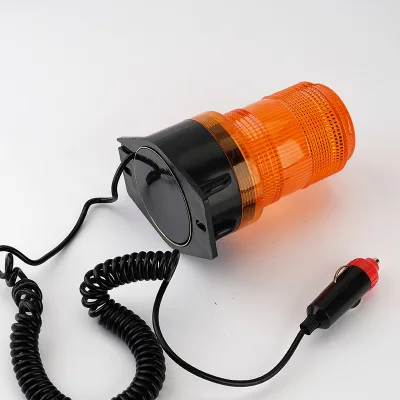


Emergency Warning Light Infrared Induction Warning Lamp Strobe Light Warning
$8.00 - $13.00
MOQ: 100 Pieces


Superior Quality Weatherproof Solar Warning Light for Road Safety Alerts
$2.10 - $2.50
MOQ: 1000 Pieces


Comprehensive Sourcing Guide
Inductive Solar Warning Light Sourcing Guide
Procuring inductive solar warning lights requires a nuanced understanding of how these devices integrate solar energy harvesting with intelligent control systems to provide reliable traffic management. These units are primarily designed for temporary or semi-permanent deployment in high-risk zones, leveraging photovoltaic technology to operate independently of grid power. The "inductive" aspect often refers to the adaptive control mechanisms or sensor integration that allows the lights to respond to environmental conditions or traffic patterns, enhancing safety without constant manual intervention. Buyers must distinguish between basic flashing units and those with advanced logic controllers that optimize battery usage and signal timing based on real-time data.
The market for these devices is characterized by a wide variance in build quality, optical performance, and control sophistication. Sourcing decisions should be driven by the specific operational environment, whether it involves road construction, railway crossings, or tunnel entrances. Each application imposes different demands on durability, visibility, and power management. For instance, a unit deployed in a tunnel requires different lens optics and housing materials compared to one used in an open highway construction zone. Understanding these contextual differences is critical for selecting the right product specifications and avoiding costly mismatches between device capabilities and site requirements.
Product Scope and Observed Listing Signals
The current market landscape for solar warning lights includes a diverse array of models, each tailored to specific functional needs. Observed listings indicate a price range from approximately $0.20 to $26.20 USD, reflecting significant differences in component quality, certification levels, and feature sets. The minimum order quantity (MOQ) typically spans from 1 to 1,000 units, allowing for both small-scale pilot deployments and large-scale infrastructure projects. Buyers should note that lower price points often correlate with basic functionality, such as simple timed flashing, while higher-priced units may offer adaptive control, higher IP ratings, or specialized certifications required for international compliance.
Product attributes observed in the market highlight key differentiators such as light source type, housing material, and control methods. Most units utilize LED technology for energy efficiency and longevity, with common light colors including amber and red. Housing materials are predominantly polypropylene (PP) or non-metallic shells, chosen for their resistance to corrosion and impact. Some models feature specific dimensions, such as 107mm diameter by 96mm height, or larger variants like 188mm diameter by 21mm height, indicating a range of form factors suitable for different mounting scenarios. The presence of customization options suggests that buyers can tailor certain aspects of the product, such as packaging or specific functional parameters, to meet project-specific needs.
Technical Specifications to Verify
When evaluating technical specifications, the IP rating is a critical factor for ensuring durability in outdoor environments. Many observed models carry an IP67 rating, which provides complete protection against dust ingress and temporary immersion in water, making them suitable for harsh weather conditions. Buyers should verify this rating for each specific model, as lower ratings may lead to premature failure in rainy or dusty construction sites. Additionally, the solar panel power, such as 0.4W, directly impacts the device's ability to charge the internal battery under varying sunlight conditions. It is essential to ensure that the solar panel capacity is sufficient to maintain operation during periods of low sunlight or extended cloudy weather.
The flash rate and control method are equally important for ensuring effective communication with drivers and pedestrians. Observed flash rates range around 65±5 times per minute, providing a consistent and noticeable warning signal. Some advanced models feature adaptive control, which can adjust the flash pattern or intensity based on ambient light or traffic flow. Buyers should also check the lens material, with polycarbonate (PC) being a common choice for its impact resistance and optical clarity. The specification of 12V systems is standard, but it is crucial to confirm the battery type and capacity, as these determine the autonomy of the unit during nighttime or overcast conditions.
Compliance and Safety Documentation
Compliance with international standards is non-negotiable for safety-critical devices like warning lights. Certifications such as CE, RoHS, and TUV are frequently observed, indicating adherence to European safety, environmental, and quality standards. RoHS compliance ensures that the device is free from hazardous substances, which is increasingly important for environmentally conscious procurement. TUV certification often signifies rigorous testing for electrical safety and performance, providing an additional layer of assurance for buyers. It is vital to request valid certification documents for each model, as counterfeit or expired certificates are not uncommon in the global supply chain.
Other certifications like ISO, CCC, and SAA may be required depending on the target market and project specifications. ISO certification indicates that the manufacturer follows standardized quality management processes, which can be a proxy for consistent product quality. CCC (China Compulsory Certification) is mandatory for products sold in China, while SAA (Standards Association of Australia) is required for the Australian market. Buyers should verify that the certifications listed on the product or datasheet match the actual documentation provided by the supplier. Discrepancies between claimed certifications and verified documents can lead to legal liabilities and project delays.
Cost Drivers and Commercial Terms
Several factors influence the final cost of inductive solar warning lights, including the complexity of the control system, the quality of the solar panel and battery, and the level of customization required. Adaptive control systems and higher IP ratings typically increase the unit price due to the additional components and engineering involved. Packaging also plays a role, with options ranging from simple polybags to multi-layer corrugated kraft paper boxes. While more robust packaging increases the initial cost, it can reduce damage rates during shipping and handling, potentially lowering the total cost of ownership.
Commercial terms such as MOQ, lead time, and payment conditions should be clearly defined in the procurement contract. Lower MOQs offer flexibility for small projects but may come with higher per-unit costs. Lead times can vary significantly based on production capacity and order volume, so buyers should plan accordingly to avoid project delays. Payment terms, such as deposits or letters of credit, should be negotiated to balance risk between the buyer and supplier. It is advisable to request a detailed quotation that breaks down costs by component and service, allowing for transparent comparison between different suppliers.
Supplier Qualification and Quality Control
Supplier qualification is a critical step in mitigating procurement risks. Buyers should assess the manufacturer's production capabilities, quality control processes, and track record in the industry. Factories with ISO certification and dedicated quality assurance teams are more likely to deliver consistent product quality. It is also important to verify the supplier's ability to provide customization services, such as tailored packaging or specific functional adjustments, if required by the project. Requesting samples before placing a bulk order allows buyers to evaluate the product's build quality, optical performance, and ease of installation.
Quality control measures should be implemented throughout the production and shipping process. This includes pre-production inspections to verify material specifications, in-process checks to ensure assembly quality, and final random inspections before shipment. Buyers should define clear acceptance criteria for key attributes such as IP rating, flash rate, and battery performance. Engaging a third-party inspection agency can provide an objective assessment of the product quality and compliance with contractual requirements. Establishing a clear process for handling defects or non-conforming products is also essential to protect the buyer's interests.
Long-Term Procurement Checks
Long-term procurement success depends on establishing a robust supply chain relationship and implementing continuous improvement processes. Regular performance monitoring of deployed units can provide valuable feedback on product reliability and durability. Buyers should track metrics such as failure rates, maintenance frequency, and battery lifespan to identify potential issues early. This data can be used to negotiate better terms with suppliers or to select more suitable models for future projects. Building a relationship with a reliable supplier can also facilitate access to new product innovations and improved pricing over time.
Sustainability and end-of-life considerations are becoming increasingly important in procurement decisions. Buyers should inquire about the recyclability of the product components and the manufacturer's environmental policies. Devices that are designed for easy disassembly and recycling can reduce environmental impact and comply with emerging regulations. Additionally, buyers should consider the total cost of ownership, including maintenance, replacement, and disposal costs, rather than focusing solely on the initial purchase price. By adopting a holistic approach to procurement, buyers can ensure that their investment in inductive solar warning lights delivers long-term value and safety benefits.
FAQs
What is the IP rating for these solar warning lights?
The observed products feature an IP67 rating, ensuring protection against dust and temporary immersion in water. This specification makes them suitable for outdoor road construction and railway applications where weather resistance is critical for continuous operation.
Which housing materials are used for these traffic lights?
Manufacturers utilize Polypropylene (PP) and non-metallic shells for the housing material of these units. These durable materials provide robust protection for the internal LED components while maintaining a lightweight profile for easy installation on driveways or roads.
Can these lights be customized for specific projects?
Yes, customization is available for these inductive solar warning lights to meet specific project requirements. Buyers can request tailored solutions for applications involving road construction, railways, or tunnels without compromising the core functionality of the flash alarm signals.
What certifications do these solar warning lights hold?
The products carry various certifications including CE, RoHS, ISO, TUV, CCC, and SAA depending on the specific model. These standards verify compliance with international safety and environmental regulations for use in global markets and diverse industrial applications.
How are these lights packed for shipping?
Packaging options include 5-layer corrugated kraft paper outer boxes, standard cardboard boxes, or cartons containing multiple units. Some models are packed as one piece per polybag with ten pieces per carton to ensure safe transport during international logistics.
What is the flash rate for the signal lights?
The observed flash rate is approximately 65 plus or minus 5 times per minute for the warning signals. This frequency ensures high visibility for drivers and pedestrians in road construction zones, tunnels, and railway crossings during low-light conditions.